


The original paper sets out to review the current provision of mandibular advancement appliances for patients with sleep disordered breathing with a particular emphasis on design features and clinical evidence of success. Mr Johal is a Senior Lecturer and Consultant in Orthodontics at several London based hospitals. He is a leading authority in sleep disordered breathing and has a special interest in the role of MADs and their success in treating snoring and sleep apnoea. The following abstracts from his original article emphasise the importance of device selection in order to achieve a positive outcome when treating snoring and sleep apnoea.
BSSAA is the UK’s leading authority on snoring & sleep apnoea since 1991
Sleep disordered breathing
Abstracts from: Review of the use of mandibular advancement appliances in sleep disordered breathing
Share: 



What are the treatment objectives?
The primary objectives of MAD treatment are:
- To reduce snoring to an objectively acceptable level for individuals without diagnosed sleep apnoea.
- To resolve the clinical signs and symptoms for individuals who have diagnosed sleep apnoea by means of reducing the number of apnoea events per night, daytime sleepiness and improve nocturnal oxygen saturation.
Currently available appliances:
These can be broadly classified into 3 types based on a succession of design modifications, which permit incremental advancement of the mandible (lower jaw).
First generation: These were primarily one-piece in design, with no ability to advance the mandible incrementally without a new appliance being fabricated (or purchased).
Second generation: This type of appliance was principally two-piece in design and offered the potential for incremental advancement. However, this was generally a custom-made device that would often necessitate laboratory support and was potentially more time-consuming at the chair-side.
Third generation: These appliances may be regarded as the ‘gold standard’ in design. They not only permit incremental advancement, which is self-adjustable, but also lateral movement of the mandible and ensure that the mandible is retained in its postured state during sleep.
Optimal design features:
There is a considerable variation in the design of mandibular advancement devices, but all bring the lower jaw forward to a varying extent, some with vertical opening, others not. They may be pre-fabricated or custom-made using a soft or hard (or both) plastic and can be a one- or two-piece in design. Based on available literature, Dr Johal recommends adhering to the following considerations.
Good retention
To prevent the MAD from falling out during sleep, it is vitally important that it is retained by the teeth. For maximum retention it is recommended that a minimum of 6 teeth are required in each arch, with at least one molar on each side, top and bottom.
Sufficient protrusion to keep the airway open
Advancement is usually reported in terms of millimetres and as a percentage of the patient’s maximum protrusion. However, the degree of protrusion attainable will inevitably vary from individual to individual and as such, one should aim to achieve the maximum protrusion that is comfortable. In this regard a MAD that allows incremental advancement offers clear advantages. Many studies have demonstrated the benefits of progressive advancement in order to determine the most effective position to treat sleep disordered breathing.
Full occlusal coverage
This means that it is desirable for the MAD to cover the molar and premolar teeth to stabilize the device and minimize any unwanted tooth movement from occurring.
Minimal vertical opening
A MAD that promotes mouth opening is not desirable as it may have the effect of narrowing the airway, thus negating any benefits from the protrusion.
It should be noted that MADs, like all other anti-snoring products and devices, do not offer a cure for snoring and sleep apnoea. Therefore this treatment needs to be used long-term and will require periodic adjustment, repair or replacement.
Research has demonstrated that compliance with a properly fitting device is very high. One study reported compliance of 70% after 4 years of use. Short-term side effects are common but appear to be transient and tend to resolve relatively quickly.
Who should NOT use a MAD
Dr Johal recommends that a MAD is not appropriate in individuals with epilepsy as it could potentially obstruct the airway if it were to become dislodged during a nocturnal seizure.
BSSAA recommendations
The Tomed SomnoGuard AP is the only ‘boil and bite’ device that encompasses all of these features and is the only device that we recommend. This device offers a greater range of protrusion than other devices with maximum protrusion reaching 12mm. Most patients however, require protrusion of around 2-3mm. The other benefit of this device is that it is so easy you can mould and fit within 10 minutes. No lengthy dental visits required, no dental impressions needed and no expensive fitting costs.
The AP continually undergoes research and development that enables the manufacturers to update and modify the design features for even better compliance and results. From recent research conducted by BSSAA, long-term compliance rates with this device are about 73%.
By Ama Johal. First appeared in Dental Update 2008 35 230-235.

Share:
FEATURED ARTICLES
The causes of snoring: Medical and lifestyle
A more in-depth look at sleep apnoea and the affect it has
TOP 5 BESTSELLERS
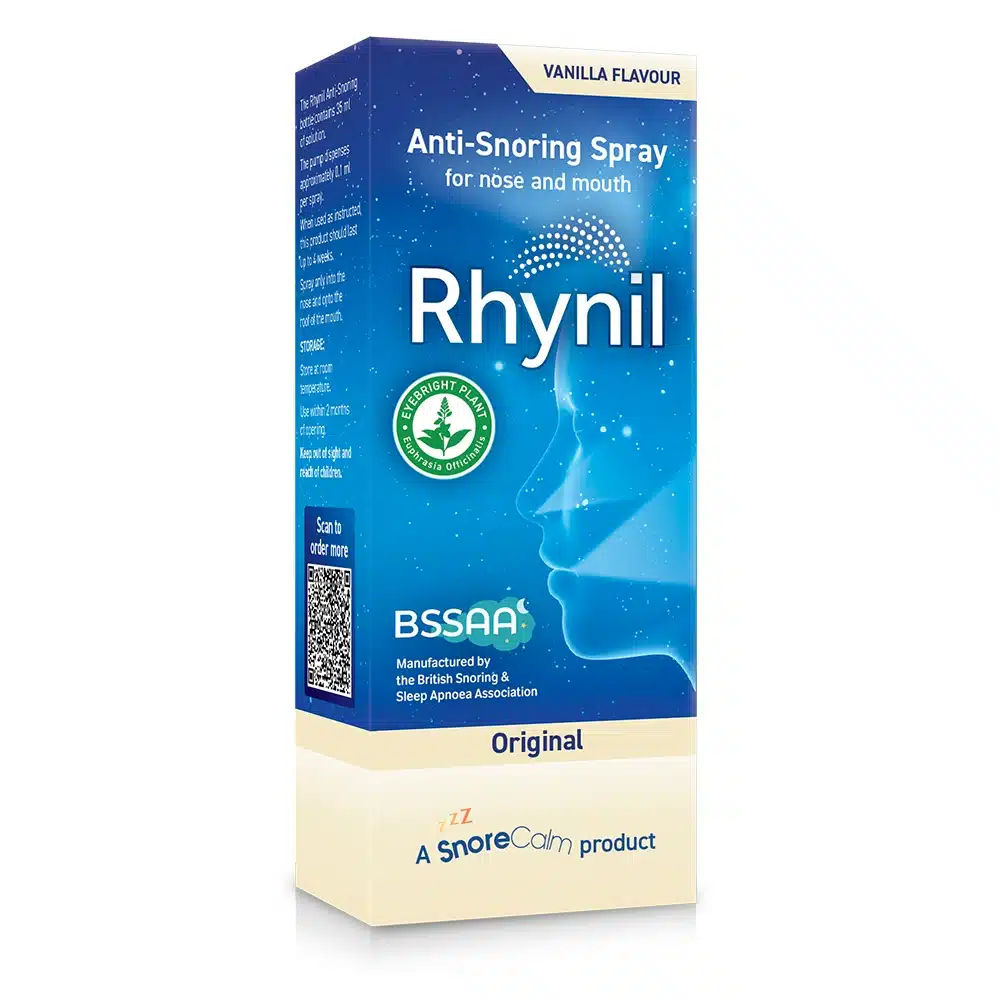
Rhynil Anti-Snoring Spray for Nose & Mouth
£19.49
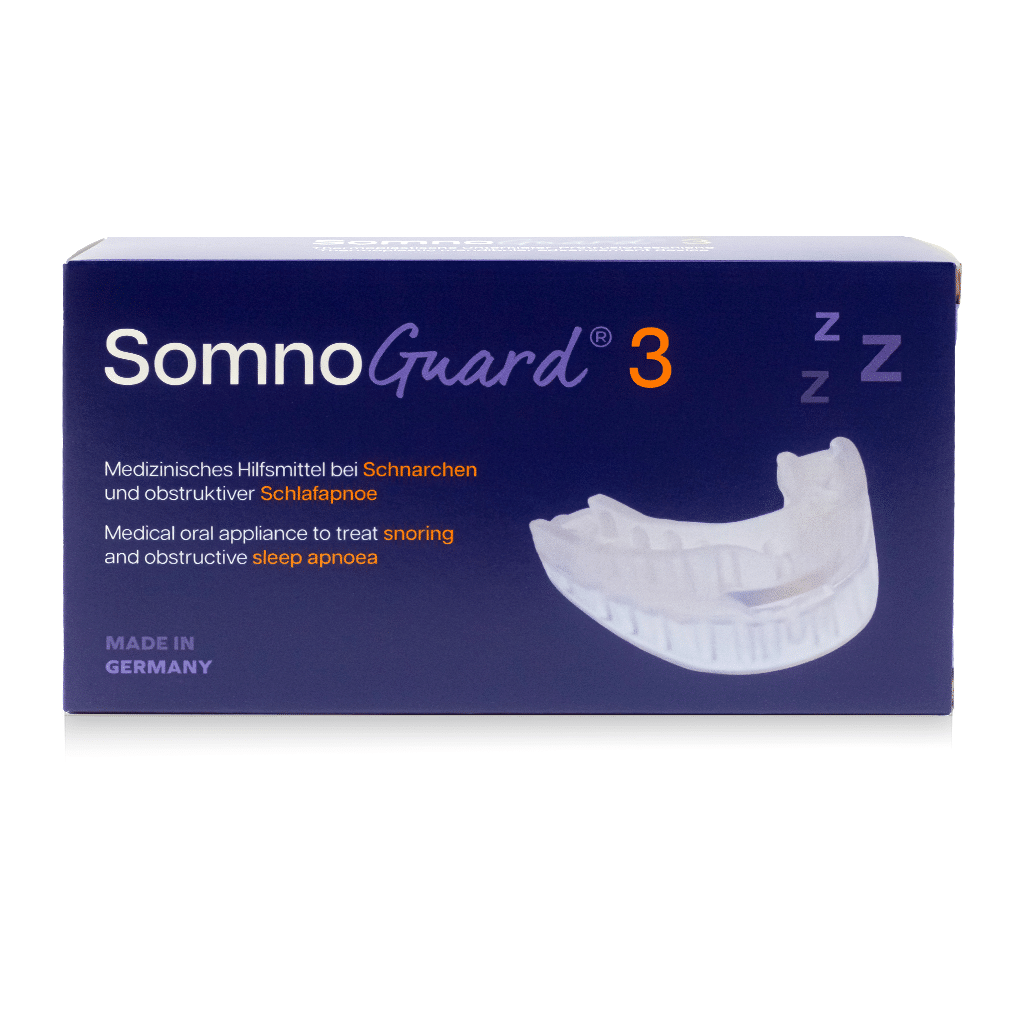
Tomed SomnoGuard® 3
£57.49
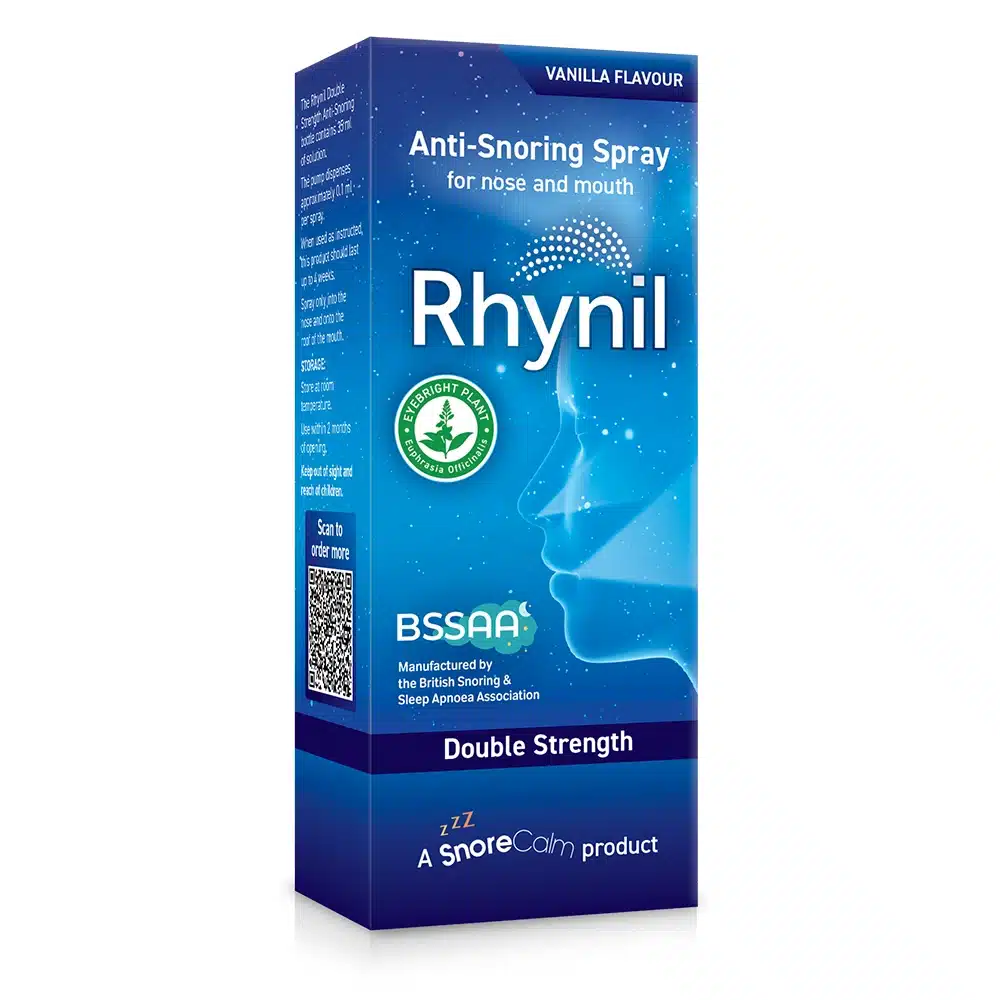
Rhynil Double Strength Anti-Snoring Spray for Nose & Mouth
£19.99
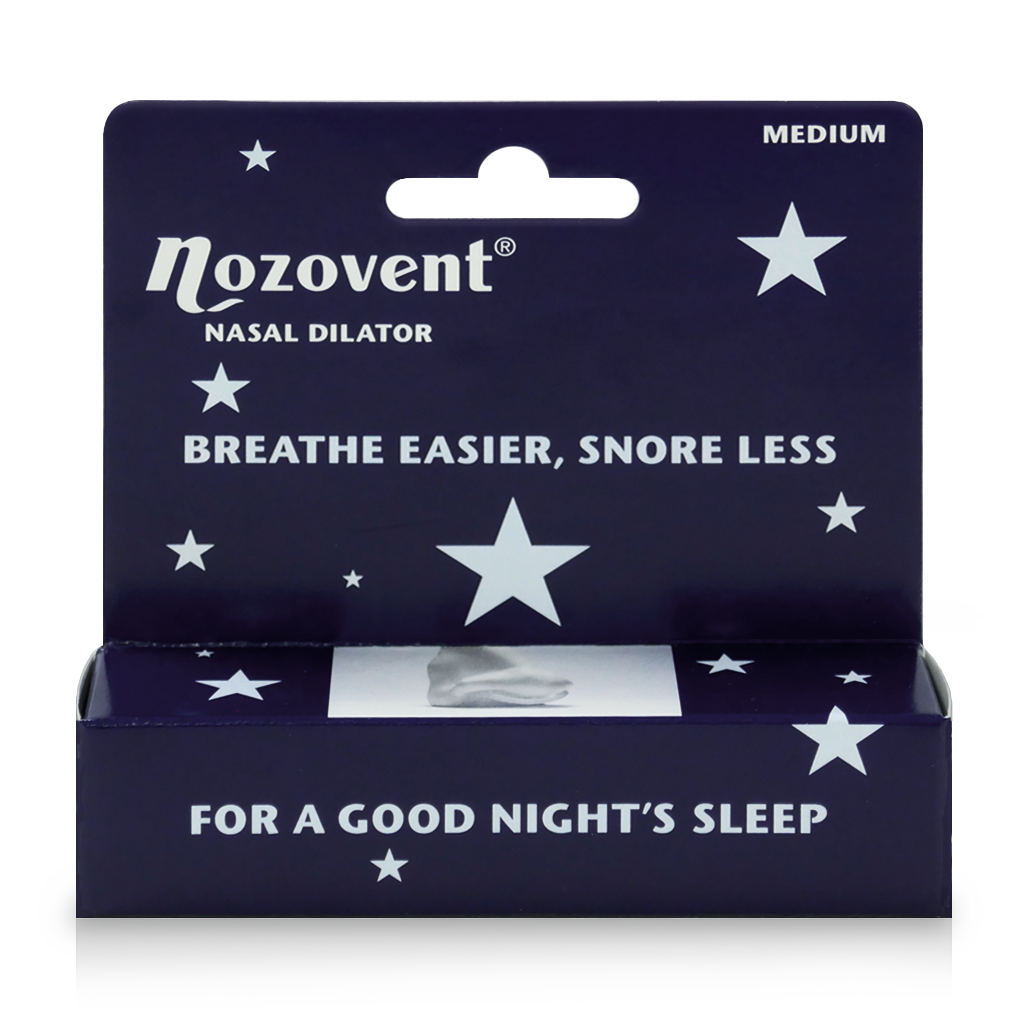
Nozovent® Nasal Dilator
£14.99
Snore Calm® Foam Ear Plugs (Elite)
Price range: £4.99 through £19.99


