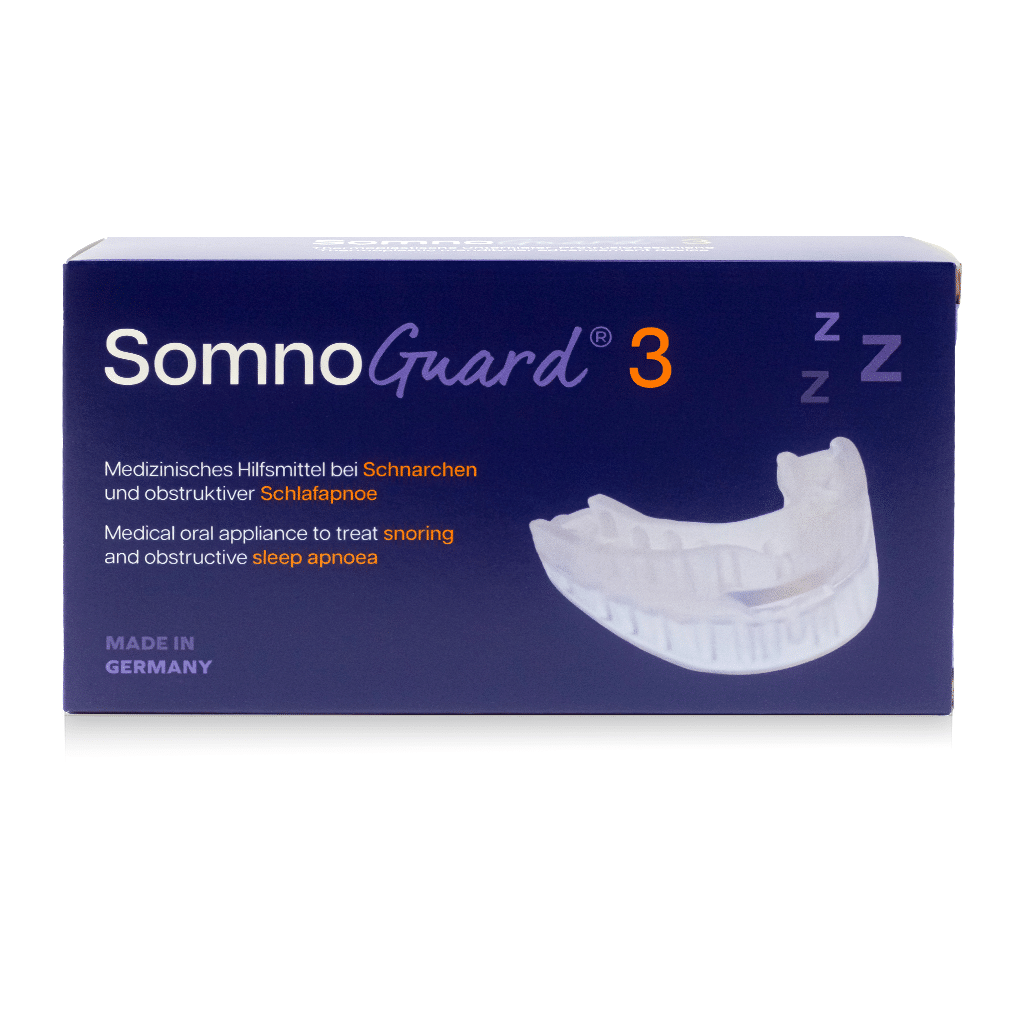
During pregnancy many changes occur within the respiratory system, which can alter the function of sleep, increasing the likelihood of sleep disordered breathing. These changes might include increased ventilatory drive and metabolic rate and changes in upper airway patency. This may give rise to snoring.
Circulating oestrogen and progesterone levels increase markedly during pregnancy. Additionally an increase in circulating blood volume may give rise to nasal congestion and rhinitis.
In a recent study of healthy pregnant women 23% were said to have snored. However in a comparative study of non-pregnant women of the same age groups snoring was only found in 4% of subjects.
Nasal and catarrhal congestion can be reduced by using herbal sprays. Our Rhynil Herbal Spray is natural and may be of use during your pregnancy.