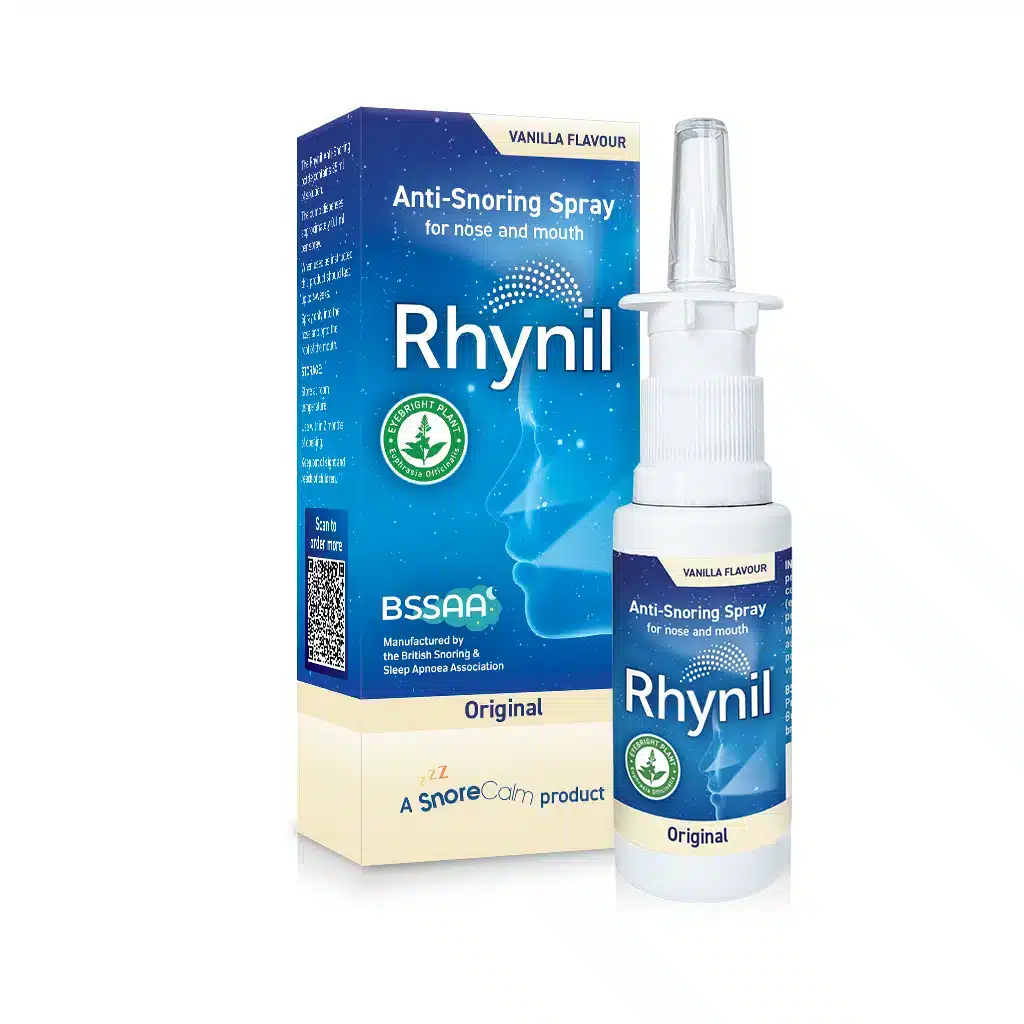
Do these simple tests, find what kind of snorer you are and discover appropriate treatments approved by the UK's leading authority the British Snoring & Sleep Apnoea Association. If you have done the tests and still cannot determine the cause of your snoring you may wish to take advantage of our new confidential face-to-face programme.
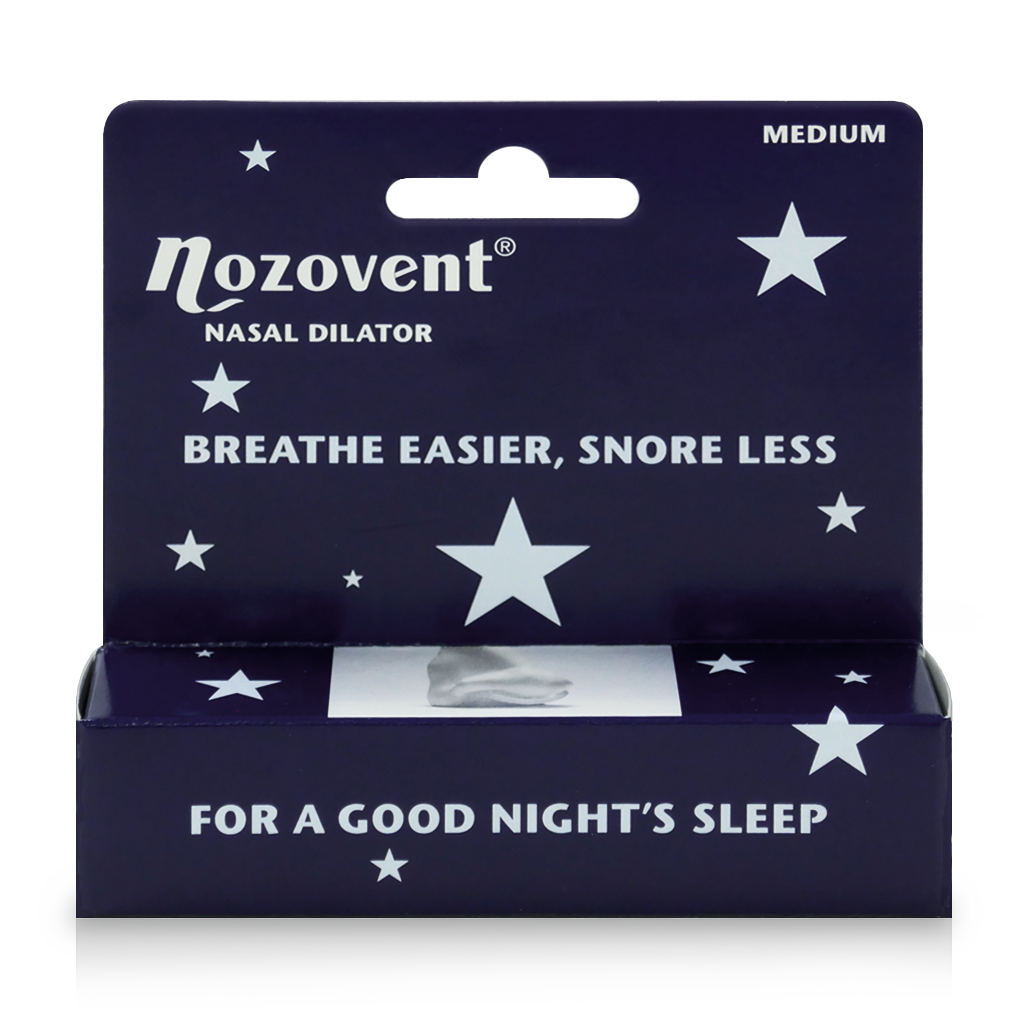
Looking in a mirror, press the side of one nostril to close it. With your mouth closed, breathe in through your other nostril. If the nostril tends to collapse, try propping it open with the clean end of a matchstick. If breathing is easier with the nostril propped open, nasal dilators may solve your snoring problem. Test both nostrils.
Now, with your mouth closed, try breathing in through your nose. If you cannot breathe well through your nose you may be suffering from nasal stuffiness caused by allergy. You may wish to consider the following causes: Feather pillows & bedding, pet hair, house dust mite, allergic rhinitis, seasonal allergies, perfumes & body sprays, household cleansers such as bleach.
Try :
Open your mouth and make a snoring noise. Now close your mouth and try to make the same noise. If you can only snore with your mouth open then you are a 'mouth breather'.
Try :
Try also :
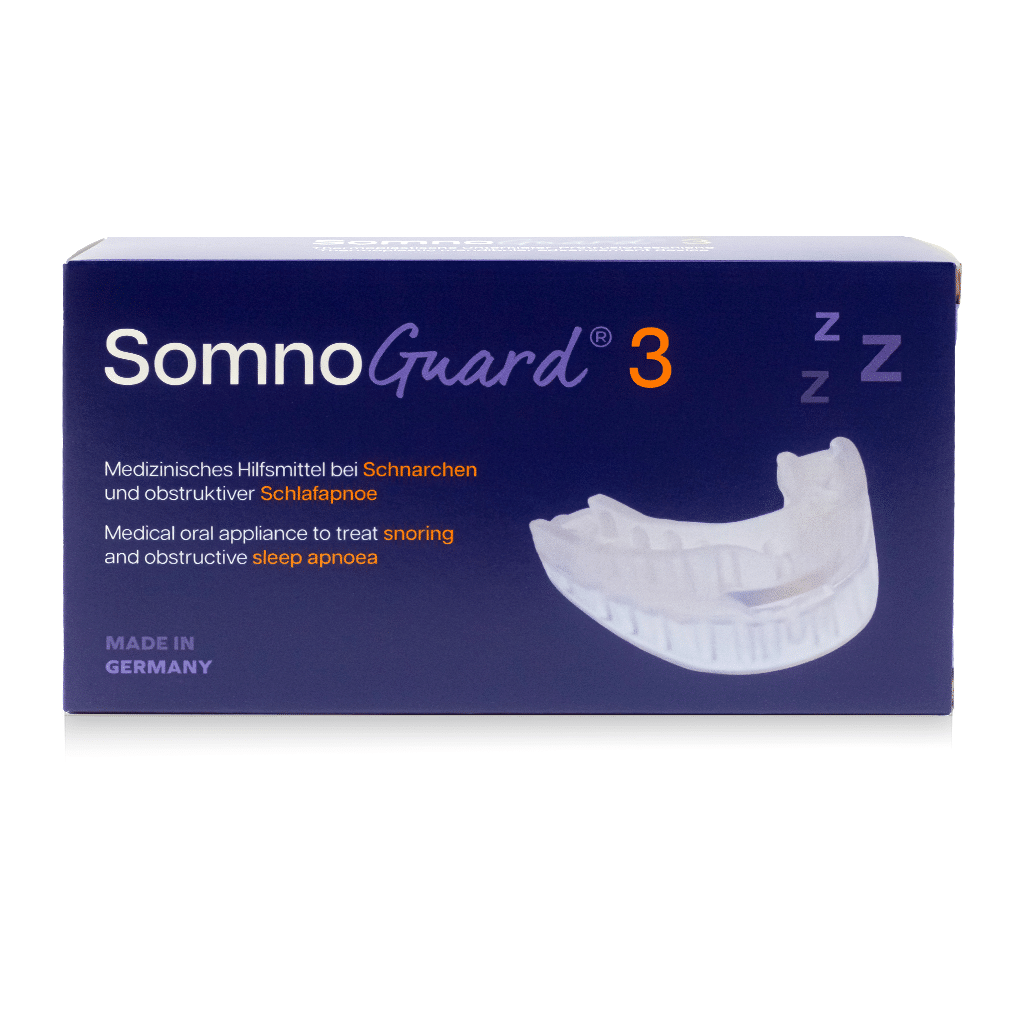
Stick your tongue out as far as it will go and grip it between your teeth. Now try to make a snoring noise. If the snoring noise is reduced with your tongue in this forward position then you are probably what is known as a 'tongue base snorer'. The most appropriate control for this type of snoring is a Mandibular Advancement Device.
Try :
See also :
You may find that you fit into more than one of these snoring categories. In which case your snoring is probably originating from several areas. For example, you may suffer from both palatal flutter and tongue base snoring.
Try :
If none of these tests has helped it is possible that your soft palate is vibrating. 'Palatal flutter' is the vibration of the soft palate and uvula. This is often the cause in patients who are of normal weight.
Try :
If you think you are overweight, find out by checking your Body Mass Index (BMI). You can do this by dividing your weight (kg) by your height² (m).
If your BMI is greater than 25 you are overweight. If your BMI is greater than 30 you are obese. In both instances you need to lose weight not only to help stop snoring, but to prevent other diseases associated with obesity.