


BSSAA is the UK’s leading authority on snoring & sleep apnoea since 1991
What is sleep apnoea?
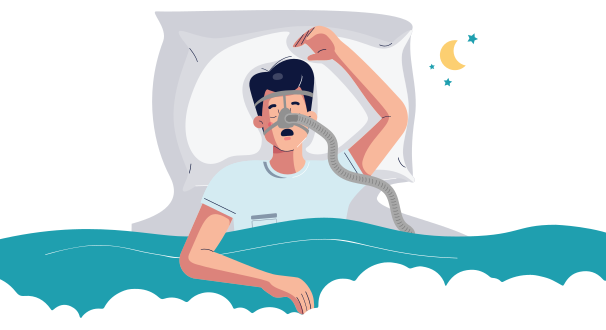
Obstructive sleep apnoea (OSA) is defined as the cessation of airflow during sleep preventing air from entering the lungs caused by an obstruction. These periods of ‘stopping breathing’ only become clinically significant if the cessation lasts for more than 10 seconds each time and occur more than 5 times every hour. OSA only happens during sleep, as it is a lack of muscle tone in your upper airway that causes the airway to collapse. During the day we have sufficient muscle tone to keep the airway open allowing for normal breathing.
When you experience an episode of apnoea during sleep your brain will automatically wake you up, usually with a very loud snore or snort, in order to breathe again. People with OSA will experience these wakening episodes many times during the night and consequently feel very sleepy during the day: they have an airway that is more likely to collapse than normal.
-
How do I know if I have sleep apnoea?
People with sleep apnoea may complain of excessive daytime sleepiness often with irritability or restlessness. But it is normally the bed partner, family or friends who notice the symptoms first.
-

Diagnosing sleep apnoea
If you are unsure if you are suffering from sleep apnoea the first step is to make an appointment with your GP. Your GP can refer you to a specialist ‘sleep study’ to determine a diagnosis.

Treating sleep apnoea
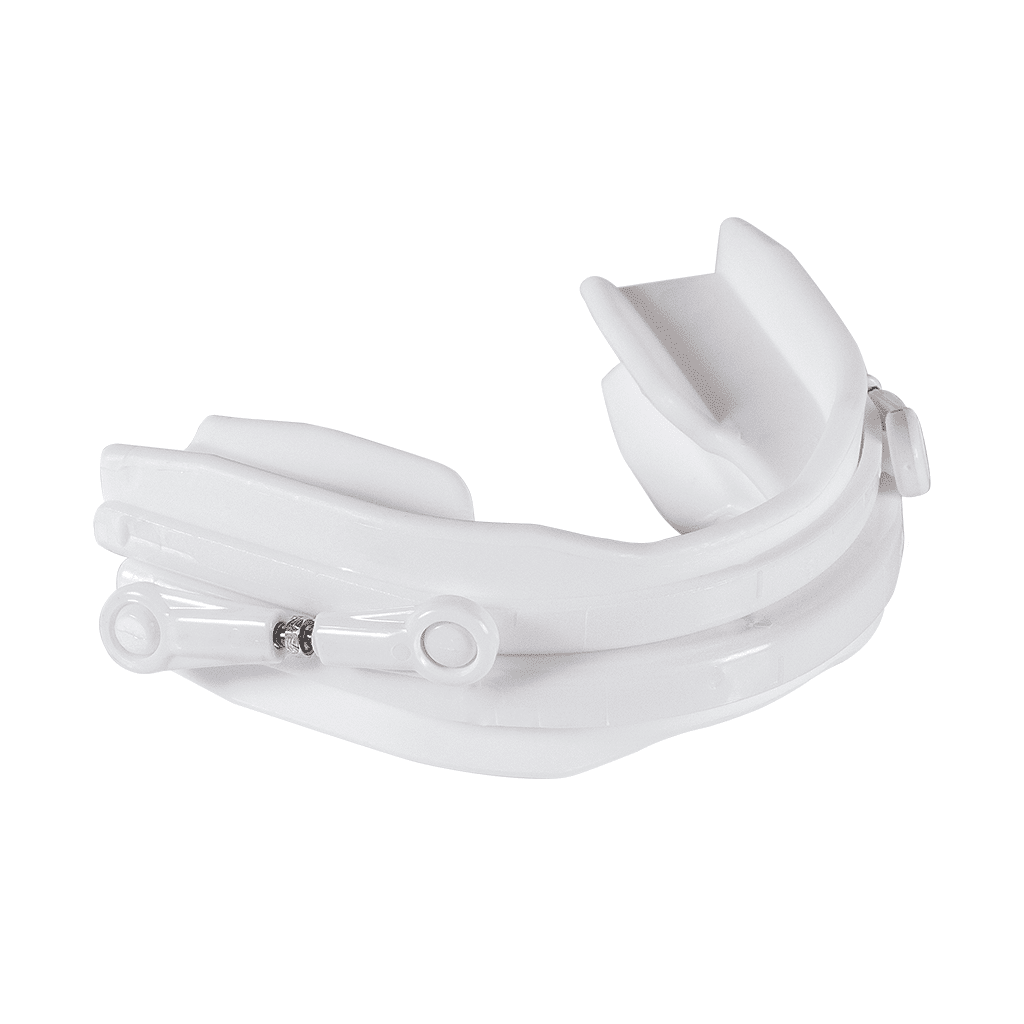
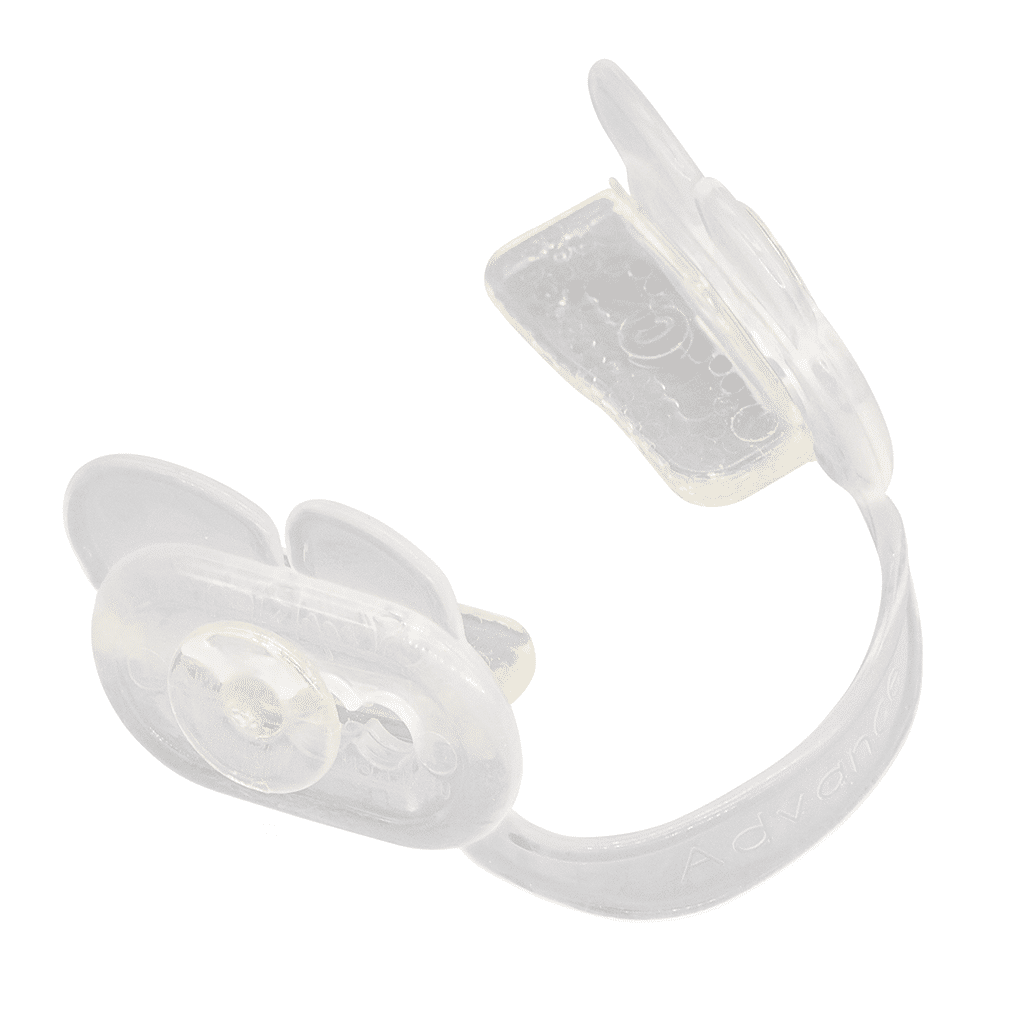
There are several forms of treatment for sleep apnoea. In mild and moderate cases weight loss and the use of mandibular advancement devices can be wholly successful. In moderate and severe cases mandibular advancement device or nasal continuous positive airway pressure (CPAP) are normally prescribed. CPAP is the gold standard treatment for OSA.
Find out more and shop the different solutions in the categories below:
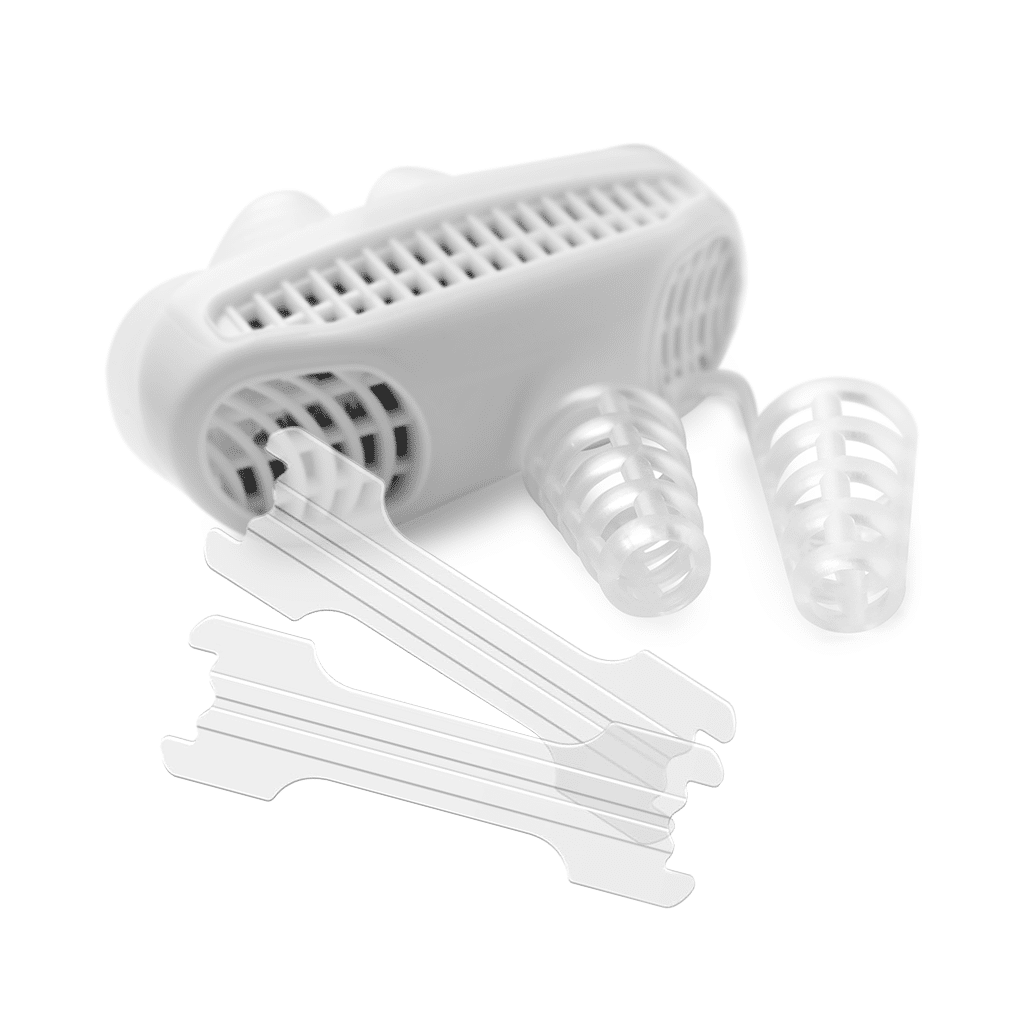
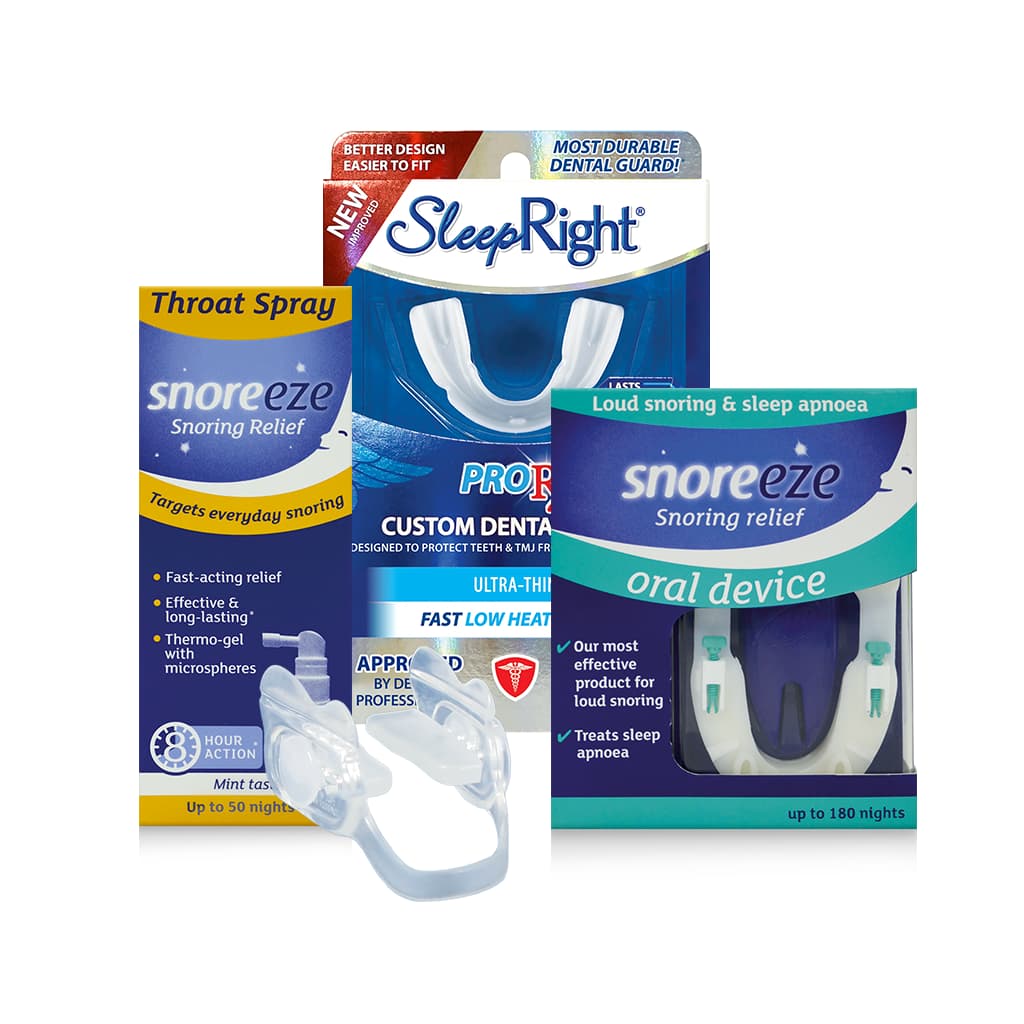
Travel advice for people with OSA
One of the biggest concerns we hear from customers with sleep apnoea is “how can I still travel”, while there is more pre planning required, the good news is you still can. Don’t let the thoughts of travelling with your machine put you off travelling as there really are some nifty gadgets to help you out. Most importantly, don’t risk your health by not taking it with you.
Considerations need to be made in particular for flying and driving after receiving a diagnosis of OSA and arguably even more important if you are pre diagnosis but aware you may be at risk.
Further in depth detail based on how you are travelling can be found here:


Visit our Resource Hub to find out more about all things snoring and sleep apnoea
Filled with articles, guides, and videos, this hub offers the latest findings, product reviews, and essential information on snoring and sleep apnoea, including symptoms and treatments.

More to explore
Our top bestsellers to aid sleep apnoea
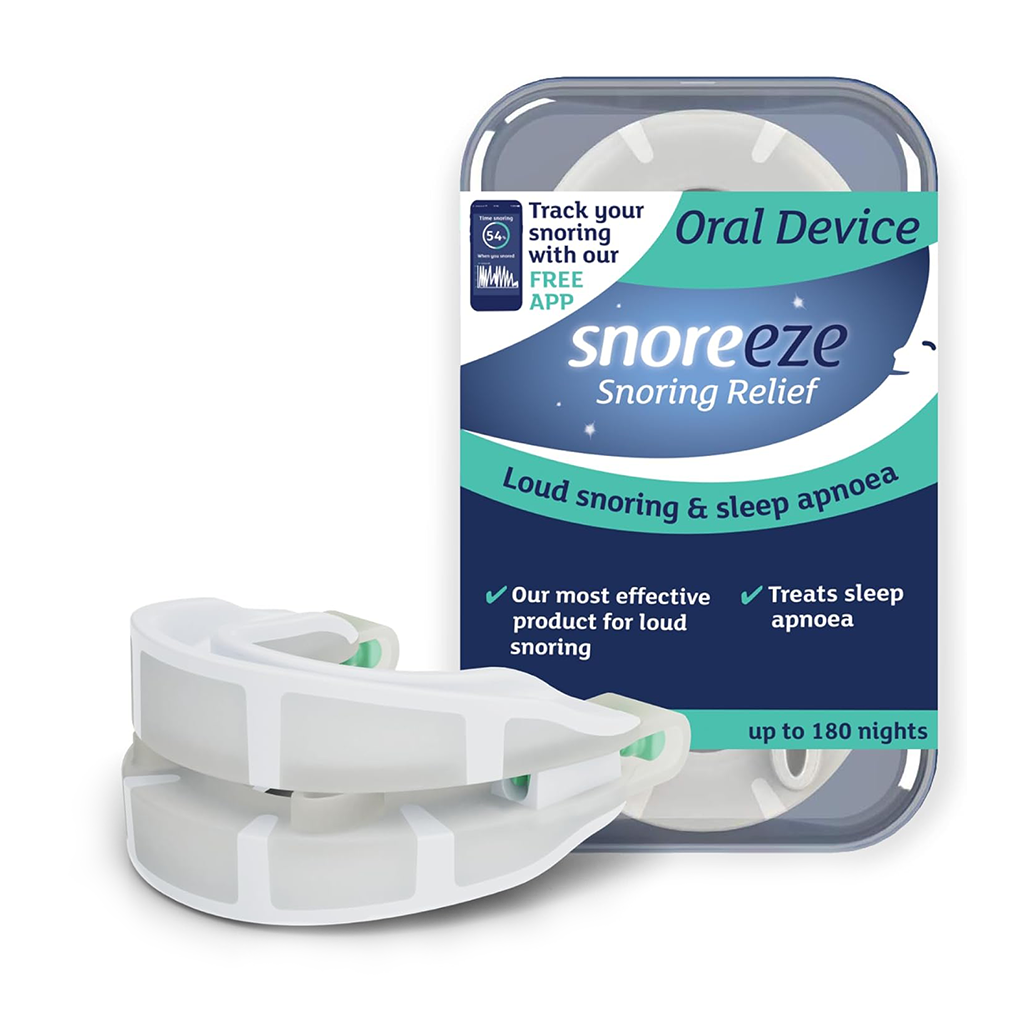
Snoreeze Oral Device
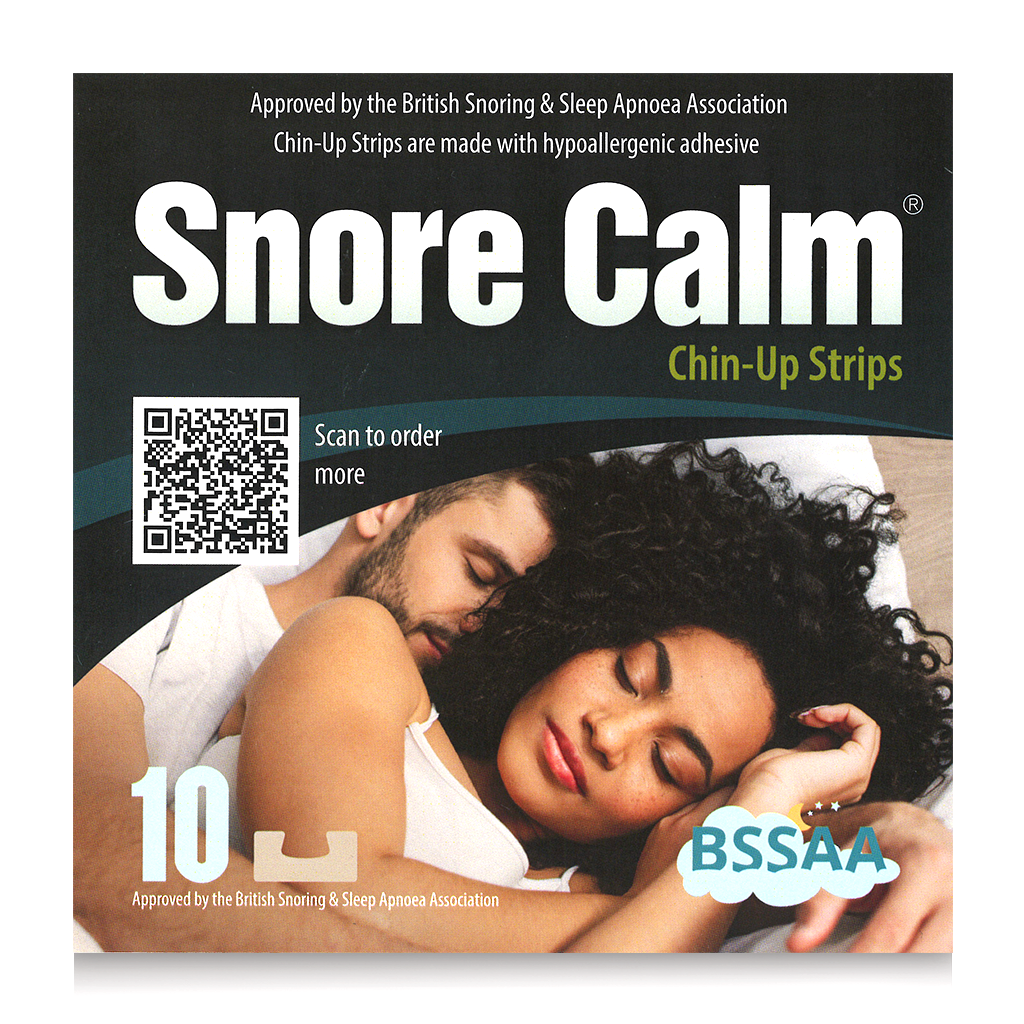
Snore Calm® Chin-Up Strips
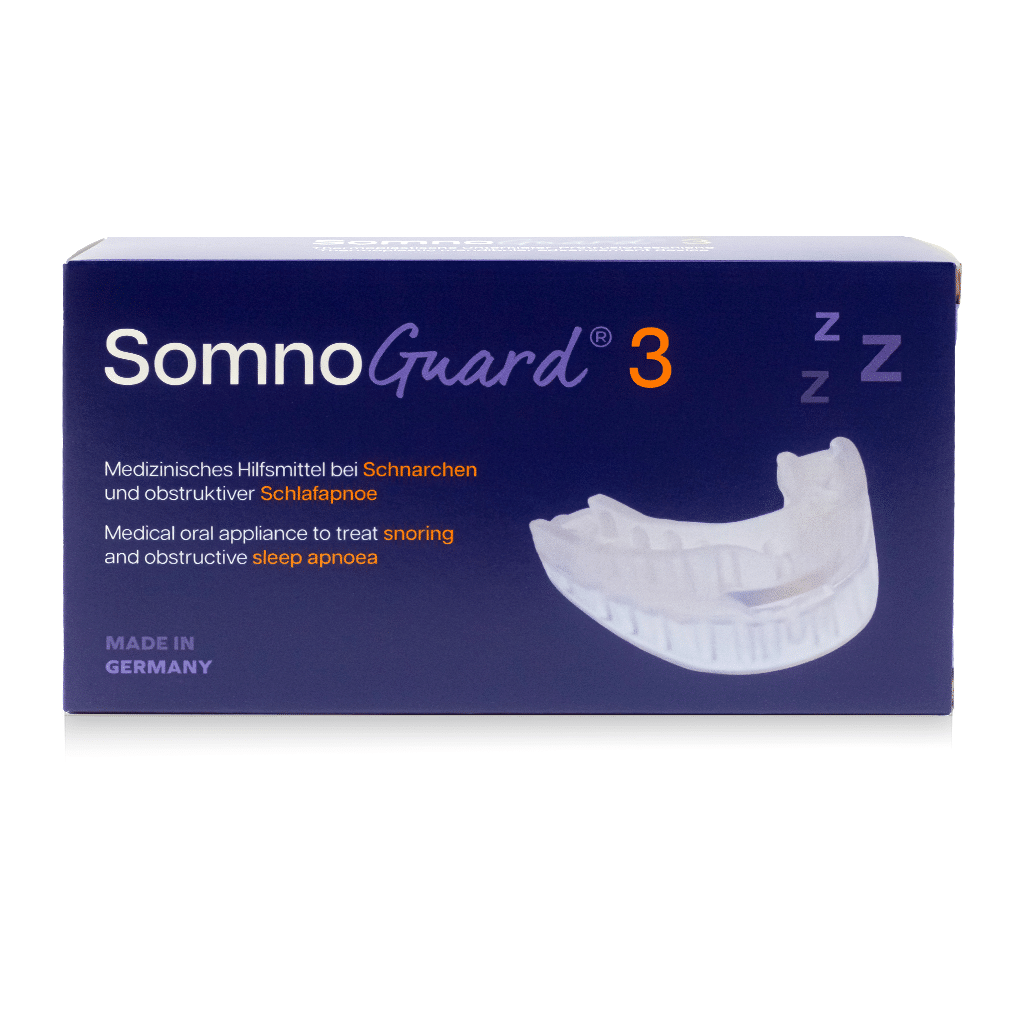
Tomed SomnoGuard® 3
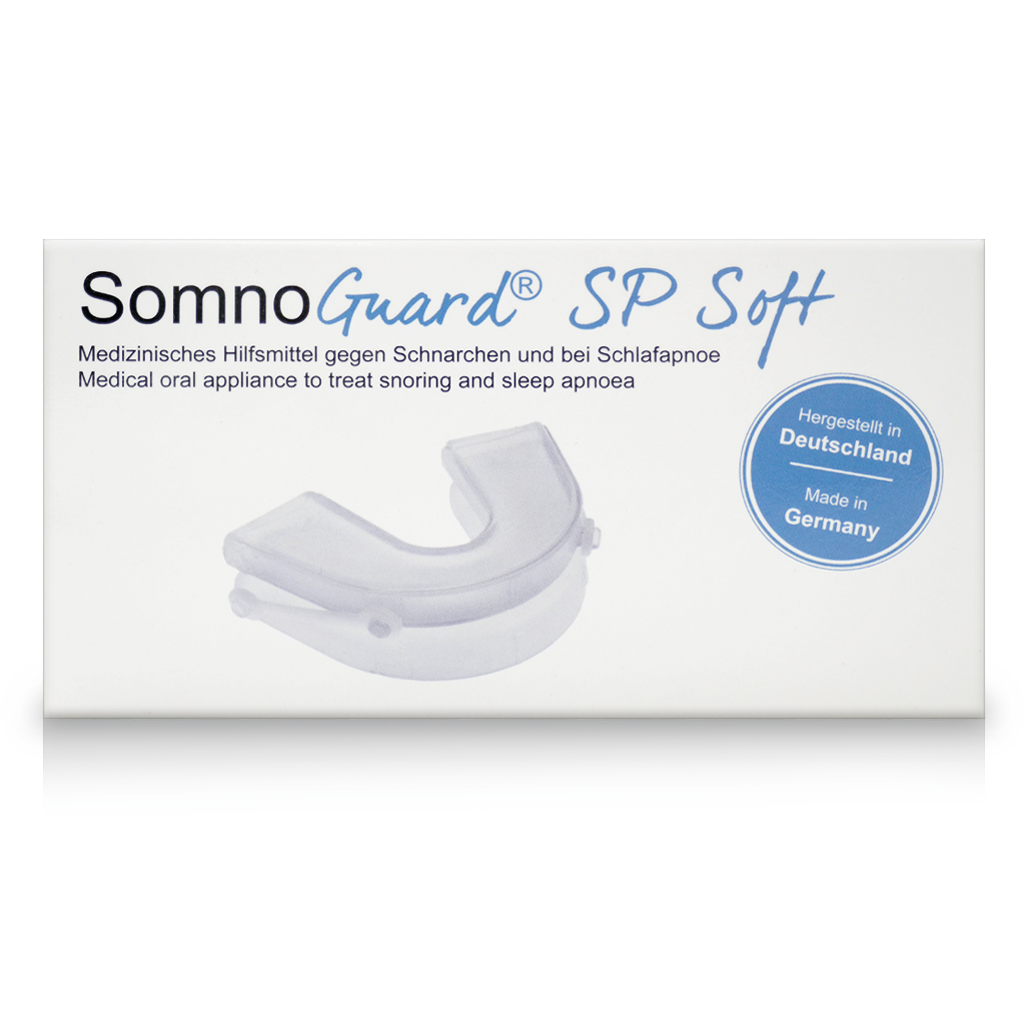
Tomed SomnoGuard® SP Soft
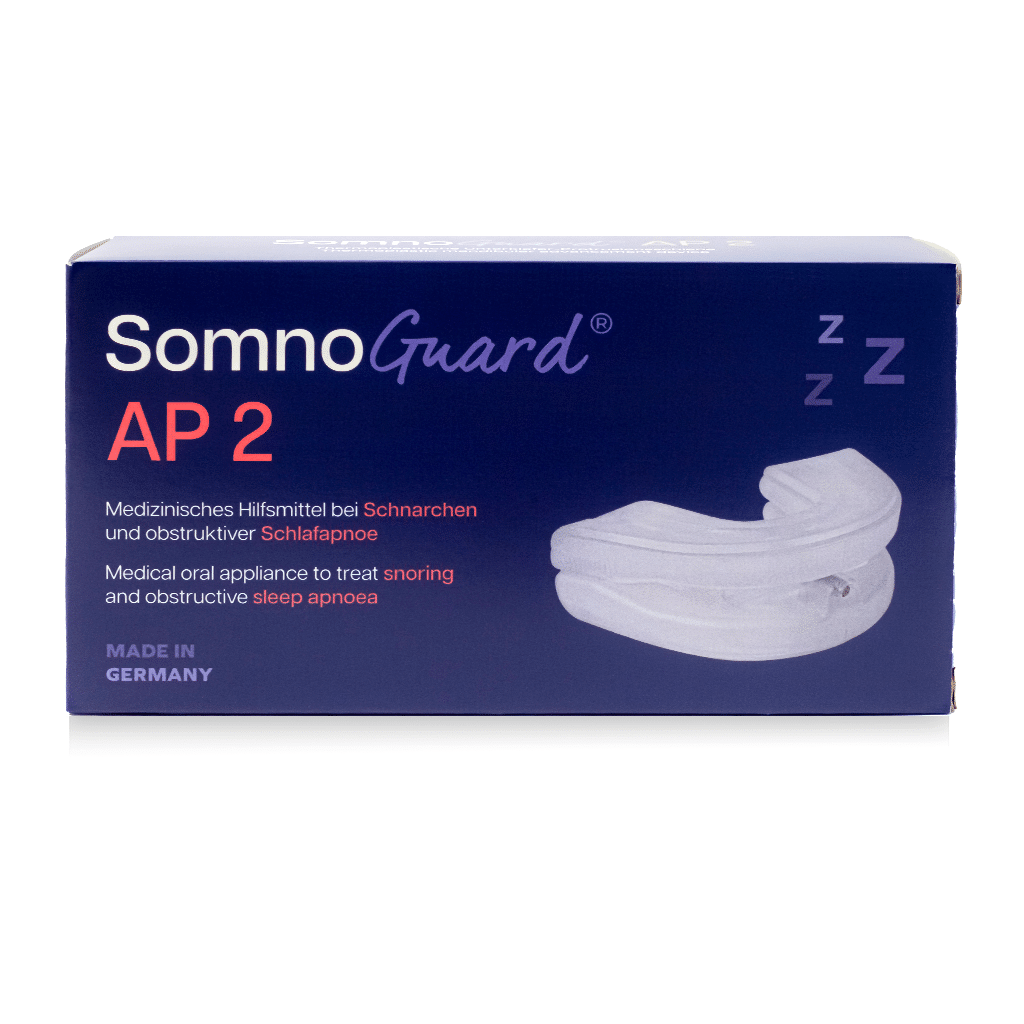
Tomed SomnoGuard® AP 2
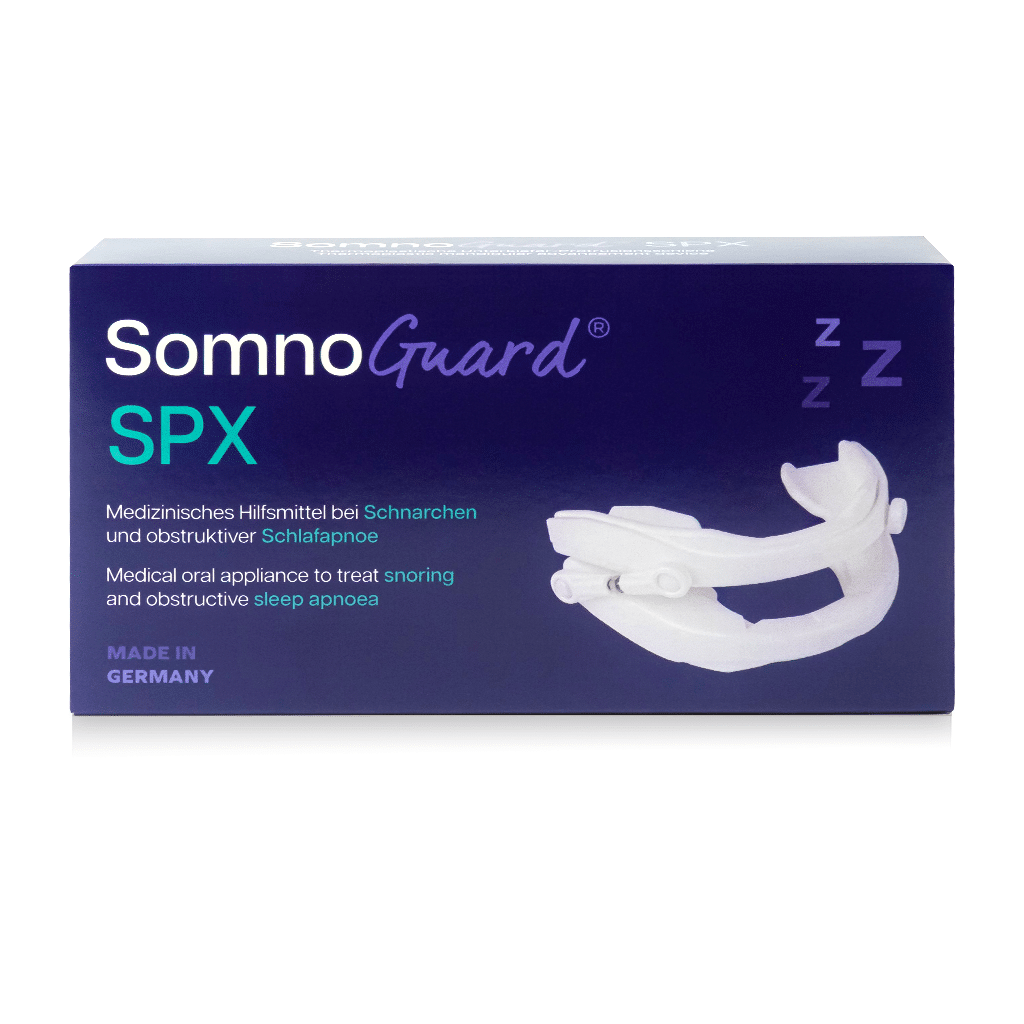
Tomed SomnoGuard® SPX
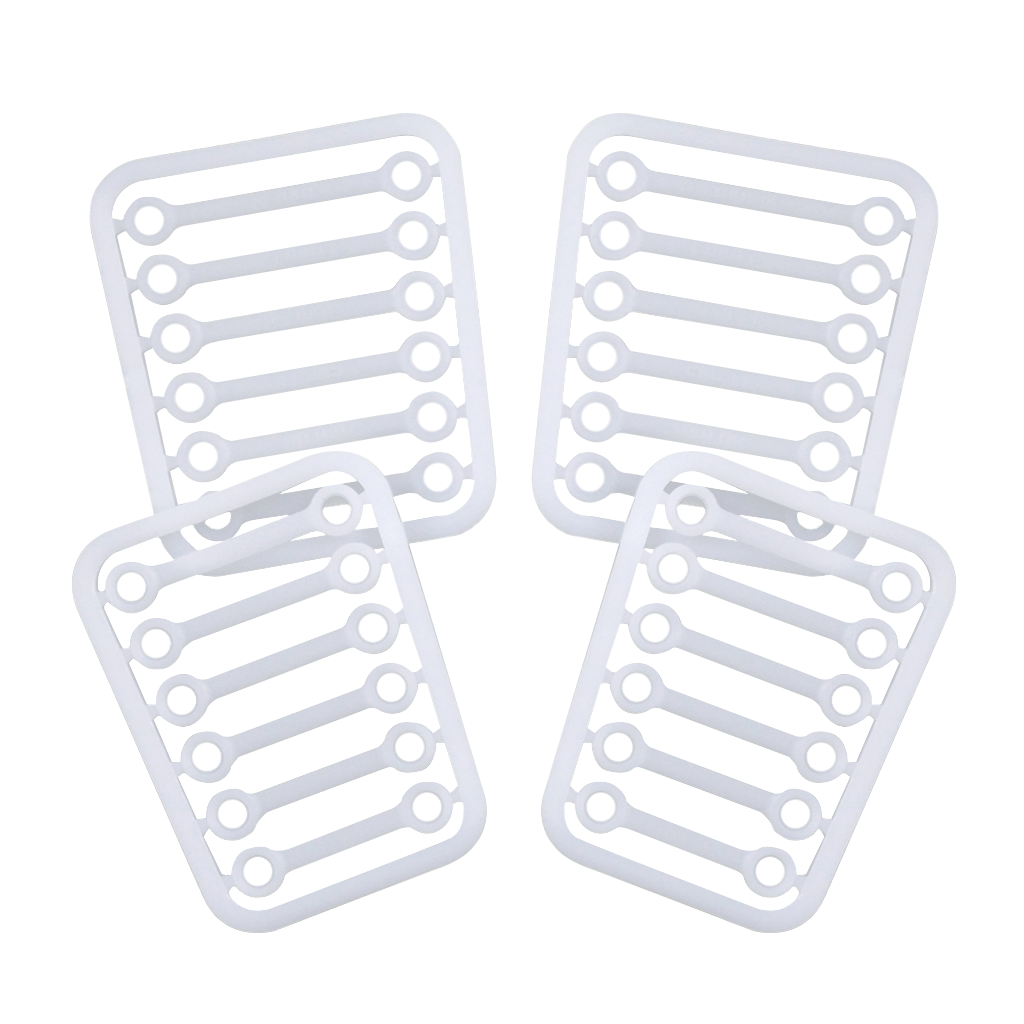
Tomed SomnoGuard® SP Soft Spare Connectors
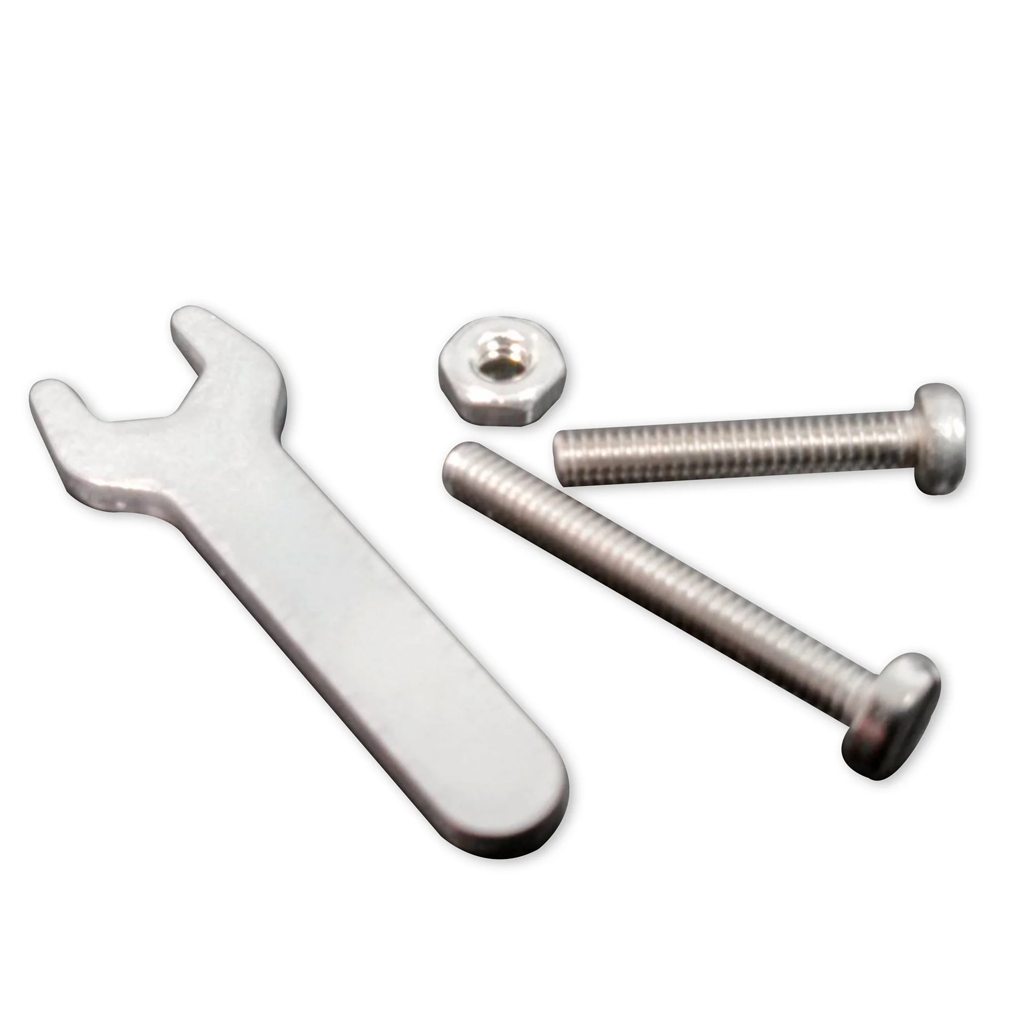
Tomed SomnoGuard® AP 2 Spare Screws Set
Take our interactive sleep test
For your free snoring diagnosis and recovery plan take our interactive sleep test today
Take the test
